


[:it]Tribunale unificato brevetti, la Germania ritenta la ratifica[:en]Germany plans second attempt at ratifying Unified Patent Court Agreement[:]
[:it]Il secondo tentativo della Germania di ottenere un’approvazione rapida in parlamento per la legge di ratifica dell’Accordo sul tribunale unico dei brevetti sembra indicare che il governo tedesco stia ignorando questioni cruciali originate dall’uscita dall’Unione Europea del Regno Unito e dal disimpegno del governo britannico rispetto alla partecipazione al tribunale.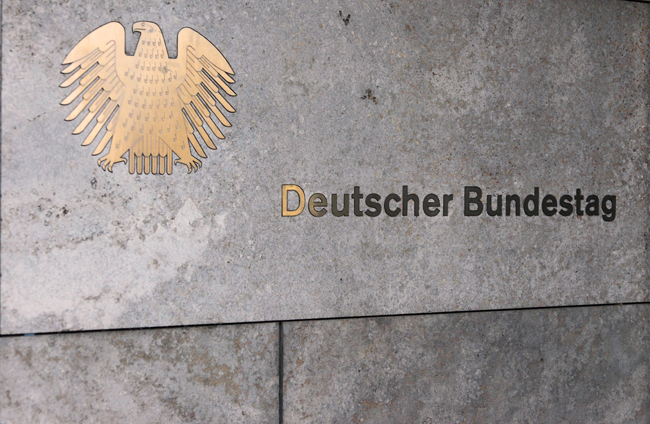
Nel giugno 2020 il governo tedesco ha proposto un nuovo disegno di legge di ratifica dell’Accordo sul Tribunale unificato dei brevetti (nel seguito Accordo TUB). Il disegno di legge è stato presentato per consultazioni, terminate il 3 luglio 2020, ad una serie di parti interessate non meglio specificate.
Una precedente legge di ratifica era stata annullata dalla Corte Costituzionale Federale tedesca con sentenza del 13 febbraio 2020 (pubblicata il 13 marzo 2020, leggi notizia). La corte aveva dichiarato nullo l’atto di ratifica stabilendo che la legge modificava la costituzione tedesca, e pertanto la sua approvazione richiedeva una maggioranza dei due terzi dei parlamentari, mentre i voti favorevoli erano stati appena 35.
Il nuovo disegno di legge di ratifica sembrerebbe essere identico a quello oggetto di ricorso, e la strategia del governo sarebbe semplicemente quella di raggiungere la maggioranza di due terzi dei parlamentari richiesta. In tal modo tuttavia vengono ignorati sia l’alto rischio di ulteriori ricorsi che il nodo, ancora irrisolto, delle conseguenze della Brexit sull’Accordo TUB.
Il Regno Unito pronto ad abbandonare tribunale unificato dei brevetti e brevetto unitario
Il 24 marzo 2020 il Ministro della scienza, ricerca ed innovazione britannico ha formalmente confermato, con una lettera inviata alla Camera dei Lord che il Regno Unito non intende più partecipare né al brevetto unitario né al tribunale unificato dei brevetti.
La motivazione data nella lettera è che tale partecipazione sarebbe incompatibile con l’approccio del governo britannico ai negoziati con l’Unione Europea, che esclude qualsiasi allineamento delle leggi nazionali con le norme UE e qualsiasi giurisdizione della Corte di giustizia dell’Unione Europea nel Regno Unito. Tuttavia la Commissione Europea non ha ancora ricevuto comunicazioni ufficiali al riguardo dal governo britannico.
La Germania può ancora ratificare l’Accordo?
Secondo la giurisprudenza dell’Unione Europea, gli stati membri UE non possono concludere accordi con paesi terzi (ossia non membri UE) se tale accordo ha effetti sulle regole dell’unione o ne altera la portata. Dunque può la Germania, stato membro dell’Unione Europea, legalmente ratificare l’Accordo TUB nella sua forma attuale, che formalmente prevede ancora la partecipazione del Regno Unito? Patrick Breyer, membro tedesco del parlamento dell’Unione Europea, intende scoprirlo.
Il 5 maggio 2020 Breyer ha formalmente chiesto alla Commissione Europea di confermare che la Germania non ha più il diritto di ratificare l’Accordo TUB, di consigliare al governo tedesco di non ratificare l’accordo nella sua forma attuale e di dichiarare se avvierebbe una procedura di infrazione contro la Germania nel caso in cui questa ratificasse l’accordo nella sua forma attuale. L’8 giugno 2020 Breyer ha sottoposto due ulteriori domande sullo stesso tema al Consiglio dell’Unione Europea.
Il termine massimo per la risposta della Commissione Europea è già scaduto, e Breyer ha recentemente dichiarato alla stampa che intende agire giudizialmente nel caso non dovesse ricevere risposta, o se la risposta non fosse soddisfacente.
Inoltre l’associazione Foundation for a Free Information Infrastructure (FFII) ha pubblicato il 15 giugno 2020 un comunicato in cui minaccia, se la nuova legge di ratifica tedesca fosse approvata, di promuovere un secondo ricorso costituzionale.
Sembra dunque probabile che l’approvazione della legge di ratifica dell’Accordo TUB non potrà procedere con la rapidità auspicata dal governo tedesco.
Articoli correlati
Flash news – Tribunale unificato brevetti: AIPPI Italia chiede rispetto delle regole nella riassegnazione della divisione centrale di Londra [:en]
| |
|
Germany’s second attempt at getting a Unified Patent Court Agreement ratification bill quickly through parliament suggests that the German government is ignoring crucial issues raised by Britain’s exit from the European Union and by its disengagement from the UPCA itself. In June 2020 the German government tabled a new draft ratification law of the Unified Patent Court Agreement (UPCA). The draft law has been submitted for consultation, which ended on 3 July 2020, to an unspecified list of interested parties. A previous ratification law was annulled by a ruling of the German Federal Constitutional Court’s dated 13 February 2020 (published on 13 March 2020, see here). The court declared the ratification act null and void on the grounds that it amends the German constitution and therefore requires a two-thirds majority for approval, whereas the act had been approved by just 35 MPs. The court did not substantially address the remaining arguments in support of the appeal. Germany’s new draft ratification law is apparently identical to the one appealed, and the government’s strategy seems to be merely to reach the required two-thirds majority, ignoring both the likelihood of further appeals, and the as yet unaddressed legal conundrum of Brexit’s effects on the UPCA. United Kingdom set to leave UPCA and unitary patentOn 24 March 2020 the Minister for Science, Research and Innovation of the United Kingdom (UK) formally confirmed, in a letter to the House of Lords (see here) that the UK does not intend to continue participation in the Unitary patent and Unified Patent Court. The letter explains that participation would be incompatible with the UK government’s approach to negotiations with the European Union, which rules out any alignment of UK law with European Union provisions as well as any jurisdiction in the UK of the Court of Justice of the European Union. However the European Commission has not yet received an official communication from the UK government. Can Germany still ratify the UPCA?European Union case law forbids the union’s member states from entering into an agreement with third countries (non-members of the union) if that agreement affects the union’s rules or alters their scope. So can Germany, a European Union member state, legally ratify the UPCA in its current form, which still formally includes the UK? Patrick Breyer, a German member of the European Union parliament, intends to find out. On 5 May 2020, Mr. Breyer formally requested the European Commission to confirm that Germany no longer has the right to ratify the UPCA, to advise the German government not to ratify the UPCA as it stands and to say whether it would launch an infringement procedure against Germany if it ratified the UPCA in its current form. On 8 June 2020, Mr. Breyer submitted two further questions to the Council of the European Union. The European Commission’s answer is already overdue, and Mr. Breyer has recently told the press that he plans to take legal action should he receive no answer, or an unsatisfactory one. Moreover, the Foundation for a Free Information Infrastructure (FFII) published on 15 June 2020 a press release in which it threatens to file a second constitutional appeal should the new German ratification law be approved. It looks like German government’s plans for a quick ratification of the UPCA might not work quite as swiftly as desired. Related content Flash news – Reassignment of London’s central division must follow UPCA rules, says Italian group of AIPPI |
[:]