


[:it]Violazione di marchio e responsabilità della piattaforma e-commerce, cambio di rotta con la sentenza Louboutin-Amazon?[:en]The Louboutin-Amazon judgement: change of course on liability of e-commerce platforms for trademark infringement?[:]
[:it]La Corte di Giustizia UE ha stabilito, con la sentenza nel caso Louboutin-Amazon, che il gestore di una piattaforma per l’e-commerce può essere ritenuto responsabile della violazione di un marchio se le sue attività di comunicazione, stoccaggio e consegna dei prodotti in violazione del marchio, offerti in vendita da terzi sulla piattaforma, inducono gli utenti a ritenere che tali prodotti siano venduti direttamente dal gestore stesso; si tratta di un cambio di rotta rispetto alle precedenti pronunce della corte in materia di contraffazione di marchio e responsabilità della piattaforma per l’e-commerce?
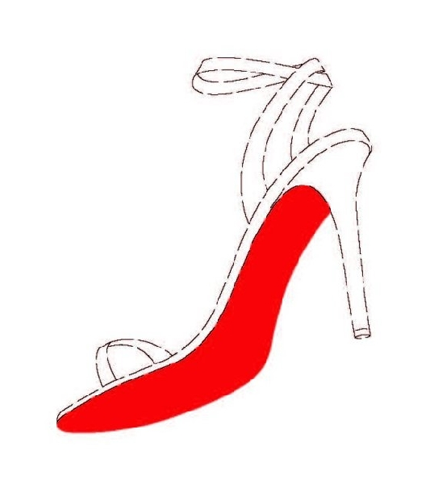
Marchio dell’Unione Europea registrato con il numero 8845539.
Christian Louboutin, noto designer francese di scarpe e borse di lusso, ha registrato come marchio la suola rossa che caratterizza molti suoi modelli di calzature; una delle registrazioni ottenute dal designer è quella per un marchio dell’Unione Europea (vedi immagine).
Nel 2019 C. Louboutin aveva iniziato due procedimenti legali, rispettivamente dinanzi a tribunali nazionali in Belgio e in Lussemburgo, lamentando l’utilizzo non autorizzato del marchio in questione da parte di Amazon sulla propria piattaforma per l’e-commerce. Secondo C. Louboutin, Amazon aveva esercitato un ruolo attivo nel pubblicizzare prodotti in violazione del suo marchio, raggruppando messaggi pubblicitari provenienti sia da Amazon stessa che da venditori terzi presenti sulla piattaforma, e veicolando tali annunci come parte della propria comunicazione commerciale. L’attività di Amazon non poteva dunque, secondo C. Louboutin, essere considerata quella di un semplice intermediario.
In entrambi i procedimenti C. Louboutin aveva dunque chiesto che i tribunali vietassero ad Amazon di utilizzare il marchio in questione e ordinassero il pagamento dei danni conseguenti a tale uso.
Entrambi i tribunali nazionali avevano sospeso i procedimenti e posto alla Corte di Giustizia dell’Unione Europea (CGUE) alcune questioni pregiudiziali, volte in sostanza a chiarire se l’articolo 9, paragrafo 2 lettera a) del Regolamento UE 2017/1001, qui sotto riportato:
Fatti salvi i diritti dei titolari acquisiti prima della data di deposito o della data di priorità del marchio UE, il titolare del marchio UE ha il diritto di vietare ai terzi, salvo proprio consenso, di usare nel commercio, in relazione a prodotti o servizi, qualsiasi segno quando:
a) il segno è identico al marchio UE ed è usato in relazione a prodotti e servizi identici ai prodotti o ai servizi per i quali il marchio UE è stato registrato;
fosse applicabile alla modalità di impiego del marchio di proprietà di C. Louboutin da parte di Amazon nella propria comunicazione come sopra descritto, considerando che, per il suo peculiare modello di vendita, da una parte, Amazon pubblica in modo uniforme sia le proprie offerte sia offerte di terzi senza distinguerle nella loro visualizzazione in ragione della rispettiva origine e, dall’altra, essa offre ai venditori terzi servizi complementari di stoccaggio e spedizione dei prodotti pubblicati sulla sua piattaforma, informando i potenziali acquirenti del fatto che si farà carico di tali servizi.
I giudici nazionali avevano chiesto inoltre se, nel valutare l’applicabilità della norma sopra citata, fosse eventualmente da prendere in considerazione anche la percezione degli utenti della piattaforma.
La sentenza della Corte di Giustizia dell’Unione Europea
I due procedimenti C-148/21 e C-184/21, tramite i quali i tribunali del Belgio e del Lussemburgo avevano sottoposto le loro domande pregiudiziali alla CGUE, sono stati riuniti in un’unica causa.
Il 22 dicembre 2022 la CGUE ha dunque emesso un’unica sentenza che risponde alle domande in modo sostanzialmente affermativo: secondo la corte, l’uso di un marchio da parte del gestore di una piattaforma per l’e-commerce può essere vietato dal titolare del marchio in base alla norma sopra riportata, a condizione che le attività del gestore della piattaforma inducano l’utente della piattaforma stessa, normalmente informato e ragionevolmente attento, a stabilire un legame fra i servizi del gestore e il marchio in questione. Tale circostanza, secondo la CGUE, si verifica in particolare quando l’utente ha l’impressione che sia il gestore stesso della piattaforma a commercializzare per proprio conto i prodotti recanti il marchio.
La sentenza sottolinea che nella valutazione della probabilità che l’utente stabilisca un legame fra i servizi del gestore della piattaforma per l’e-commerce e il marchio in violazione dei diritti altrui – nello specifico potendo dunque avere l’impressione che sia il gestore in questione a commercializzare esso stesso, a proprio nome e per proprio conto, i prodotti recanti il marchio in questione – è particolarmente rilevante che il gestore:
- ricorra a una modalità uniforme di presentazione agli utenti delle offerte pubblicate sul suo sito, visualizzando contemporaneamente le proprie inserzioni e quelle dei venditori terzi
- faccia apparire il proprio logo sull’insieme degli annunci
- offra ai venditori terzi servizi di stoccaggio e spedizione dei prodotti.
Considerazioni
Alcune precedenti pronunce della CGUE avevano negato che la presenza su una piattaforma e-commerce di prodotti recanti marchi contraffatti costituisse “uso del marchio” da parte del gestore della piattaforma stessa in violazione dei diritti altrui di proprietà intellettuale: in sostanza, la corte aveva ritenuto che il semplice atto di fornire gli strumenti tecnici necessari per l’uso di un marchio non implicasse che il prestatore del servizio ne stesse facendo uso ai fini dell’applicazione dell’articolo 9 del Regolamento UE 2017/1001.
Nella decisione Louboutin-Amazon, la CGUE spiega che la differenza fra questo caso e i precedenti risiede, da un lato, nelle iniziative prese direttamente da Amazon per comunicare all’utente della piattaforma la disponibilità di prodotti recanti il marchio di C. Louboutin, senza differenziare gli annunci riguardanti prodotti venduti direttamente da Amazon da quelli riguardanti prodotti di venditori terzi e presentando tutti gli annunci come provenienti da Amazon; ma la differenza risiede anche, dall’altro lato, nello svolgimento da parte di Amazon di servizi di stoccaggio e consegna al cliente finale di tali prodotti.
La decisione è oggetto di discussione fra gli esperti di tutela dei marchi perché, fra l’altro, può apparire in contraddizione con i precedenti della stessa corte. Tuttavia la sentenza stessa precisa che nel caso Louboutin-Amazon le questioni pregiudiziali poste dai tribunali nazionali chiedevano espressamente di valutare alcuni aspetti che la corte non aveva avuto occasione di prendere in considerazione nei casi precedenti.
In linea di principio si tratta di una sentenza che tende a rafforzare il rispetto dei diritti dei titolari di marchio anche sulle piattaforme online; nella pratica, è utile ricordare tuttavia che la sentenza della CGUE si limita a rispondere alle domande sull’interpretazione delle norme europee poste dai tribunali nazionali, ai quali spetterà ora la decisione finale nel merito delle due cause all’origine del procedimento.
Per informazioni
Cerchi assistenza per proteggere il tuo marchio sulle piattaforme e-commerce? Contattaci per informazioni.[:en]The Court of Justice of the EU has held, in its decision on the Louboutin-Amazon case, that the operator of an online e-commerce platform may be held liable for trademark infringement if its communication, storage and delivery activities concerning the infringing products, offered for sale on the platform, lead users to believe that such products are sold directly by the operator itself; does this decision mark a change of course for the CJEU regarding the liability of e-commerce platforms for trademark infringement?
Trademark of the European Union registration number 8845539.
Christian Louboutin, a well-known French designer of luxury footwear and bags, owns trademark registrations for the red sole featured in many of his shoe models; one of such registrations is for a trademark of the European Union (see image).
In 2019 Mr. Louboutin had brought two proceedings, before national courts in Belgium and Luxembourg respectively, claiming that Amazon had used his trademark on its e-commerce platform without his consent. Mr. Louboutin showed that Amazon had been active in advertising products infringing his trademark, that the platform operator had displayed advertisements of products sold by Amazon grouped together with those of products sold by third party sellers on the platform, and that it had included all the advertisements in its own commercial communication. Amazon’s activity could not therefore, according to Mr. Louboutin, be considered that of a mere intermediary.
In both proceedings Mr. Louboutin had therefore asked the courts to bar Amazon from using his trademark and order the company to pay the ensuing damages.
Both the national courts had stayed proceedings and referred to the Court of Justice of the European Union (CJEU) some preliminary questions, aiming essentially to establish whether Article 9 (2) (a) of EU Regulation 2017/1001 reproduced below:
2. Without prejudice to the rights of proprietors acquired before the filing date or the priority date of the EU trade mark, the proprietor of that EU trade mark shall be entitled to prevent all third parties not having his consent from using in the course of trade, in relation to goods or services, any sign where:
(a) the sign is identical with the EU trade mark and is used in relation to goods or services which are identical with those for which the EU trade mark is registered;
is applicable to the use that Amazon made, in its own communication as described above, of the trademark owned by Mr. Louboutin, considering that Amazon’s business model entails on the one hand the uniform presentation of both its own offers and of the ones of third parties, with no differentiation as to their respective origins, and on the other, it offers third-party sellers additional services consisting in particular in the storage and delivery of the products, informing potential customers that Amazon performs such services. The national judges also asked whether, in assessing the applicability of the above provision, account should be taken of the perception of users of the platform.
The decision of the Court of Justice of the European Union
The two proceedings C-148/21 and C-184/21, by which the courts of Belgium and Luxembourg had submitted their preliminary questions to the CJEU, were joined together by the court.
On 22 December 2022 the CJEU issued a single judgment that essentially answers the questions in the affirmative: according to the court, use of a trademark by the operator of an e-commerce platform can be forbidden by the holder of the trademark on the base of the above-mentioned provision, upon condition that the operator’s activities cause the normally informed and reasonably attentive user of the platform to establish a link between the services of the operator and the trademark. Such a circumstance, according to the decision, occurs in particular when the user comes under the impression that the operator of the platform is selling on its own behalf the products bearing the trademark.
The decision points out that for the purpose of assessing the likelihood that the user will establish a link between the services of the e-commerce platform operator and the mark infringing a third party’s right – and specifically that the user could believe that it is the operator selling on its own behalf and under its own name the products bearing such a mark – it is especially relevant that the operator:
- presents in a uniform way to users the offers published on its platform, with its own advertisements and the ones of third-party sellers being visualised at the same time
- adds its logo to the set of ads
- offers product storage and shipping services to third-party sellers.
Comment
CJEU case law has denied that the presence on an e-commerce platform of products bearing counterfeit trademarks may be considered “use of the trademark” infringing third-party rights by the platform’s operator: essentially, the court had held that the mere act of providing the technical wherewithal for the use of a mark did not imply that the provider of the service was making use of the mark for the purposes of the application of Article 9 of EU Regulation 2017/1001.
In the Louboutin-Amazon decision, the CJEU explains that the difference between this case and previous ones lies, on the one hand, in the actions undertaken directly by Amazon in communicating to the platform’s users the availability of products bearing Mr. Louboutin’s trademark, without differentiating the advertisements concerning products sold directly by Amazon from those concerning products sold by third parties, and presenting all advertisements as originating from Amazon; but the difference lies also, on the other hand, in Amazon’s carrying out services of storage and delivery to the end client of such products.
The judgment has raised discussions among trademark experts also because it can appear to contradict the court’s own case law. However the decision itself points out that the questions submitted by the national courts in the Louboutin-Amazon case expressly asked that some aspects be evaluated which the court had had no opportunity to consider in previous cases.
In principle, the decisions tends to strengthen the enforcement of trademark right holders also on online platforms; in practice, it must be borne in mind that the CJEU’s role is limited to answering the questions regarding the interpretation of European Union laws submitted by national courts, and it is now up to those courts to issue the final decision on the merits of the two proceedings that gave rise to the case before the CJEU.[:]