


[:it]Il marchio Gallo Nero del Chianti vince dinanzi al Tribunale dell’Unione europea – P. Veronesi[:en]EU General Court ruling in Chianti Gallo Nero trademark case – P. Veronesi[:]
[:it]Il Tribunale dell’Unione europea ha dato ragione al Consorzio del Chianti Classico che si era avvalso dei diritti sul marchio Gallo Nero per opporsi alla registrazione di un marchio contenente la figura di un gallo per “bevande alcoliche (escluse le birre)” nella classe 33; l’autore Paolo Veronesi commenta la sentenza e aggiunge delle interessanti osservazioni sul rapporto fra marchi collettivi da un lato e indicazioni geografiche o denominazioni di origine dall’altro.
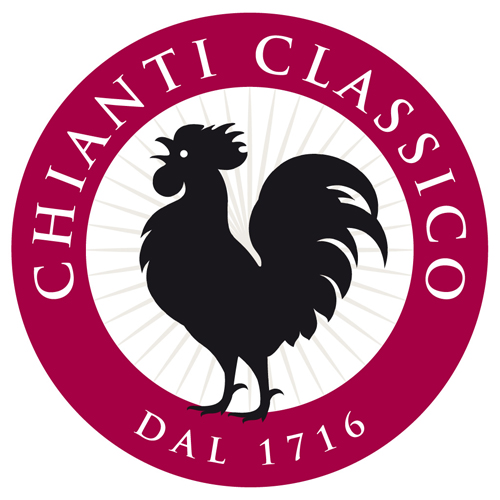
Il marchio collettivo Gallo Nero del Consorzio Vino Chianti Classico
Il 14 aprile 2021 il Tribunale dell’Unione europea (Tribunale UE nel seguito) ha emesso sentenza nella causa T-201/20 riguardante il conflitto tra il marchio collettivo italiano Gallo Nero del Consorzio Vino Chianti Classico e il marchio della società Berebene S.r.l., oggetto di domanda di registrazione presso l’organismo che gestisce i marchi dell’Unione europea, ovvero l’Ufficio dell’Unione Europea per la Proprietà Intellettuale (EUIPO).
La sentenza del Tribunale dell’Unione europea
Una volta provata la rinomanza del marchio collettivo del Consorzio Vino Chianti Classico innanzi all’EUIPO, il Tribunale UE si è soffermato sull’accertamento della presenza dei requisiti per l’applicazione dell’art. 8, paragrafo 5, del Regolamento sul Marchio dell’Unione europea n. 1001/2017 (nel seguito RMUE), che come noto riguarda la tutela del marchio di rinomanza.

Il marchio richiesto dalla società Berebene.
In realtà la sentenza del Tribunale UE nel caso T-201/20 non è particolarmente innovativa in tema di applicazione dell’art. 8, paragrafo 5, RMUE.
Nella decisione viene ribadito che, mentre la protezione prevista dall’articolo 8, paragrafo 1, lettera b), RMUE è subordinata alla constatazione di un grado di somiglianza tra i marchi in questione tale da creare un rischio di confusione tra di essi presso il pubblico di riferimento, un simile grado di somiglianza non è richiesto ai fini della tutela prevista dall’articolo 8, paragrafo 5, RMUE. Di conseguenza, le violazioni di cui all’articolo 8, paragrafo 5, RMUE, possono derivare da un grado inferiore di somiglianza tra i marchi in questione, purché sia sufficiente per indurre il pubblico di riferimento a creare un’associazione tra i marchi, ossia a stabilire un nesso tra di essi.
Una lettura superficiale della sentenza del Tribunale UE può invece generare qualche dubbio sui paragrafi (cfr. da 52 a 57) relativi al confronto fra i prodotti rivendicati dai marchi in conflitto. Da una parte il Tribunale UE si sofferma correttamente su uno dei principali argomenti della ricorrente Berebene S.r.l., vale a dire il fatto che il marchio collettivo “Gallo Nero” del Consorzio riguarderebbe solo vini rossi, mentre il marchio contestato verrebbe apposto solo su vini bianchi del tipo Vermentino di Gallura. Dall’altra parte, le osservazioni del Tribunale UE sulla mancata limitazione di Berebene S.r.l. a “vini bianchi” invece del generico “Bevande alcoliche (escluse le birre)”, effettivamente rivendicati dalla ricorrente nella classe 33 e sulla mancata prova che la rinomanza del Gallo Nero del Consorzio è limitata a vini rossi, potrebbero indurre qualcuno a ritenere “a contrario” che la conclusione poteva essere differente se Berebene avesse impostato diversamente sia la domanda di registrazione sia la propria difesa nell’opposizione.
Ciò non corrisponde al vero. Se teniamo conto che uno dei fattori pertinenti nel valutare l’esistenza di un nesso fra i marchi ex art. 8, paragrafo 5, RMUE è il grado di prossimità o di dissomiglianza dei prodotti o servizi, i prodotti o servizi dovrebbero essere talmente dissimili al punto da rendere improbabile che il marchio posteriore possa essere mentalmente associato al marchio anteriore da parte del pubblico di riferimento. E’ evidente che, pur nel caso in cui Berebene avesse rivendicato “vini bianchi” per il suo marchio e avesse dimostrato che il Gallo Nero del Chianti Classico si riferisce solo a vini rossi (il che è assolutamente vero), vini bianchi e vini rossi non possono essere ritenuti dissimili in modo tale da evitare il formarsi di un nesso da parte del pubblico.
Il marchio Gallo Nero e il rapporto fra marchi collettivi e IGP o DOP
Infine, qualche osservazione interessante può scaturire dal rapporto fra marchi collettivi e indicazioni geografiche o denominazioni di origine.
Poteva essere diverso l’esito finale se Berebene avesse limitato la sua domanda di registrazione a “vino prodotto in conformità al disciplinare della DOCG Vermentino di Gallura” o addirittura se avesse depositato lo stesso marchio opposto con l’aggiunta della scritta VERMENTINO DI GALLURA DOCG ?
Riteniamo che l’esito sarebbe stato identico. La rinomanza del marchio collettivo del Consorzio Vino Chianti Classico è data dalla diffusione e riconoscimento nel mercato della figura del gallo nero. E’ vero che il marchio collettivo in questione include anche il nome della relativa DOCG, ossia CHIANTI CLASSICO, ma il conflitto in esame verteva sull’esistenza di un nesso fra i due galli, che costituiscono il “cuore” dei rispettivi marchi.
Il marchio collettivo “Gallo Nero”, pur riproducendo al suo interno il nome della DOCG, ha una sua intrinseca distintività, in quanto la figura del gallo nero non ha alcun collegamento con il prodotto vino.
Nel panorama dei marchi collettivi italiani nel settore vitivinicolo ed alimentare, il caso del marchio collettivo “Gallo Nero” del Consorzio Vino Chianti Classico è esemplare per l’affermazione di una componente distintiva forte all’interno del segno distintivo. Dal 2005 il gallo nero è associato in via esclusiva alla DOCG CHIANTI CLASSICO, il cui disciplinare di produzione all’art. 7 recita “La denominazione di origine controllata e garantita “Chianti Classico” è contraddistinta in via esclusiva ed obbligatoria dal marchio “Gallo Nero” nella forma grafica e letterale allegata al presente disciplinare (Allegato n. 2) in abbinamento inscindibile con la denominazione Chianti Classico”. La raffigurazione del gallo nero deve quindi essere presente su tutte le bottiglie di vino Chianti Classico DOCG.
Si tratta di un caso in cui la rinomanza della figura del gallo nero è tale da essere associata in modo indissolubile alla relativa DOP. Pur continuando ad esistere sul piano formale, il marchio collettivo “Gallo Nero” cessa di essere sul piano sostanziale un marchio del Consorzio per diventare un contrassegno della DOP.
Il problema si pone invece per i marchi collettivi che sono costituiti esclusivamente da Indicazioni Geografiche, ossia dai nomi delle DOP o IGP, in assenza di ulteriori e diversi elementi distintivi quali ad esempio un gallo nero.
La recente prassi dell’EUIPO in materia di opposizioni o azioni di cancellazione è piuttosto rigida: si ritiene infatti che i marchi collettivi costituiti esclusivamente da DOP o IGP abbiano una distintività minima e che sia problematica la prova dell’uso degli stessi e conseguentemente della loro rinomanza, in quanto l’uso riguarderebbe solo le DOP o IGP e non i relativi marchi collettivi.
Come evidenziato dalla decisione di rinvio alla Commissione Ricorsi allargata dell’EUIPO nel caso R0400/2018-2 RECIOJITO / RECIOTO DI SOAVE et al., “La questione della prova dell’uso di un marchio collettivo che coincide con una denominazione di origine (DOP) per vini è particolarmente delicata, e il suo esame è suscettibile di sollevare altre questioni giuridiche relative all’ambito di protezione e alle specifiche funzioni di tali distinte categorie di diritti. Da un lato, pare contraddittorio ammettere la registrazione di un marchio collettivo identico a una DOP, e successivamente negarne l’azionabilità perché usato in funzione di DOP e non in funzione di marchio. Dall’altro, essendo necessario conformarsi alla recente giurisprudenza della Corte di Giustizia dell’Unione europea, occorre verificare se (e come) un marchio collettivo identico a una DOP è suscettibile di essere utilizzato conformemente alla sua funzione essenziale, che è quella di distinguere i prodotti dei membri dell’associazione che ne è titolare da quelli di altre imprese, al fine di creare o di conservare uno sbocco per detti prodotti (12/12/2019, C-143/19P, EIN KREIS MIT ZWEI PFEILEN (fig.), EU:C:2019:1076, § 57). Più in particolare, occorre verificare se tale marchio consente al consumatore di comprendere che i prodotti in questione provengono da società che sono affiliate all’associazione, titolare del marchio, e di distinguere così tali prodotti da quelli provenienti da società che non lo sono (12/12/2019, C-143/19P, EIN KREIS MIT ZWEI PFEILEN (fig.), EU:C:2019:1076, § 58)”.
In attesa di conoscere l’esito del caso R0400/2018-2 RECIOJITO / RECIOTO DI SOAVE et al., suggeriamo cautela nell’adozione di nuovi marchi collettivi identici a Indicazioni Geografiche, pur restando la via preferenziale per la tutela di DOP e IGP all’estero soprattutto nei paesi nei quali non vi è una legislazione “sui generis” di protezione nel settore agroalimentare.
Per informazioni
Hai necessità di tutelare un prodotto vinicolo / agroalimentare? Contattaci per parlarne con un esperto.
Contenuti correlati
Scheda – Tutela prodotti agroalimentari
Flash news – In vigore accordo UE-Cina sulla tutela di DOP e IGP, protette 26 specialità Made in Italy
Flash news – Imitazione DOP? La registrazione tutela non solo la denominazione di origine ma anche l’aspetto del prodotto
Flash news – Indicazioni geografiche e denominazioni di origine, la nuova banca dati EUIPO
Flash news – Tutela indicazioni geografiche all’estero, passo UE verso un sistema unico globale
Flash news – Registrazione di indicazioni geografiche a Singapore estesa ai prodotti agroalimentari[:en]The General Court of the European Union has upheld the opposition of the Consorzio del Chianti Classico against the registration of a trademark of the EU picturing a cockerel for “alcoholic beverages (excluding beers)” in class 33; author Paolo Veronesi reviews the decision and adds interesting remarks on the relation between collective marks on one side and geographical indications or denominations of origin on the other.
The Gallo Nero collective mark of the Consorzio Vino Chianti Classico.
On 14 April 2021 the General Court of the European Union (hereinafter GCEU) issued its decision in case T-201/20 concerning the conflict between the Italian collective trademark “Gallo Nero” (black cockerel), owned by the Consorzio Vino Chianti Classico (hereinafter: the Consorzio), and the trademark of the European Union applied for by the company Berebene S.r.l.
The ruling of the General Court of the European Union
The renown of the of the collective mark of the Consorzio had already been proved before the European Union Intellectual Property Office (EUIPO). The GCEU focused therefore on assessing the applicability of Article 8 (5) of EU Regulation No. 1001/2007 on the Trademark of the European Union (EUTMR).
The GCEU’s ruling (available only in Italian and French) case T-201/20 is not particularly innovative as far as the application of the above provision is concerned.
The decision confirms that while the protection provided by Article 8 (5) (b) EUTMR requires a finding of a degree of similarity between the trademarks sufficient to create a likelihood of confusion between them in the minds of the relevant public, such a degree of similarity is not required for the applicability of the protection provided under Article 8 (5) EUTMR. Consequently, the infringements covered by Article 8 (5) EUTMR may derive from a lesser degree of similarity between the trademarks in question, if it is sufficient to lead the relevant public to make an association between the trademarks, meaning establishing a link between the two.
A superficial reading of the decision can, on the contrary, raise doubts about the paragraphs (52 to 57) concerning the comparison between the products covered by the conflicting marks.
The trademark applied for by Berebene S.r.l.
On the one hand the GCEU rightly focuses on one of the main arguments of the complainant Berebene S.r.l. (hereinafter: Berebene), namely that the “black cockerel” collective trademark registration merely covers red wines, whereas the opposed trademark would be used only on white Vermentino di Gallura wines.
On the other hand, the GCEU’s remarks – that Berebene did not limit the trademark application in class 33 to “white wines” but generically indicated “Alcoholic drinks (excluding beers)”, and that no proof was produced that the renown of the Consorzio’s black cockerel mark is limited to red wines – might lead some to believe, a contrario, that the outcome might have been different had Berebene adopted another approach both for its trademark application and its defence in the opposition proceedings.
That is not true. If we consider that one of the relevant factors in assessing the existence of a link between trademarks under Article 8 (5) EUTMR is the degree of proximity or dissimilarity of the products and services, the products and services should be so dissimilar as to make it unlikely that the later mark can be associated with the earlier mark in the minds of the relevant public. It is obvious that, even if Berebene had claimed “white wines” in its trademark application and shown that the Consorzio’s black cockerel refers only to red wines (which is absolutely true), white wines and red wines cannot be considered dissimilar to the point of avoiding the establishment of a connection in the minds of the public.
The black cockerel trademark and the relationship between collective marks and Geographical Indications or Denominations of Origin
Lastly, a few interesting remarks can be made concerning the relationship between collective trademarks and Geographical Indications (GIs) or Denominations of Origin (DOs).
Might the conflict have ended differently if Berebene had limited its trademark application to “wine produced in conformity with the specification for production of the Vermentino di Gallura Controlled and Guaranteed DO (DOCG)”, or even if it had sought registration for the opposed mark with the addition of the words Vermentino di Gallura DOCG?
I believe the outcome would have been identical. The renown of the collective mark Consorzio Vino Chianti Classico is the result of the circulation and recognition on the market of the image of the black cockerel. It is true that the collective mark in question also includes the name of the Chianti Classico DO, but the dispute turned on the existence of a link between the two cockerels, that constitute the “heart” of both trademarks.
The black cockerel collective mark, although it includes the name of the DO, possesses an intrinsic distinctiveness owing to the lack of any connection between the image of a black cockerel and the wine product.
Among Italian collective marks in the food and wine sector, the black cockerel mark of the Consorzio Vino Chianti Classico is a good example of the advantage of a strong distinctive element within the sign. Since 2005 the black cockerel has been used exclusively for the Chianti Classico DO, and the product specification’s article 7 provides that “the controlled and guaranteed DO Chianti Classico must compulsorily carry the black cockerel mark in the graphic and word form attached to this specification (Attachment No. 2), which must always appear together with the denomination Chianti Classico.”
The image of the black cockerel must therefore appear on all bottles of Chianti Classico DOCG wine. It is a case in which the renown of the black cockerel image is such as to be associated inseparably with the relevant DO. Although it continues to exist formally, the black cockerel collective mark substantially ceases to be a trademark owned by the Consorzio and becomes the countersign of the DO.
The problem arises, on the contrary, for collective marks that consist exclusively of the names of the protected DOs or GIs with no further distinctive elements such as a black cockerel.
The EUIPO’s practice in opposition or cancellation proceedings is rather strict: collective marks consisting exclusively of protected DOs or GIs are considered to possess a minimum of distinctive character, and proving use, and consequently the renown, of the collective marks is problematic, since use is considered as concerning merely the protected DOs and GIs, not the related collective marks.
As pointed out in the decision to refer the case R0400/2018-2 RECIOJITO / RECIOTO DI SOAVE et al. to the Enlarged board of appeal of the EUIPO, “The issue of the proof of use of a collective mark that coincides with a DO for wines is particularly sensitive, and the examination thereof is likely to raise other legal issues related to the scope of protection and the specific functions of these different categories of rights. On the one hand, it appears contradictory to allow the registration of a collective mark identical to a DO, and subsequently deny its enforceability because it is used as a DO and not as a trade mark. Moreover, since it is necessary to comply with the recent case-law of the Court of Justice of the European Union, it should be verified whether (and how) a collective mark identical to a DO is capable of being used in accordance with its essential function, which is to distinguish the goods of the members of the association which is the proprietor of the mark from those of other undertakings, in order to create or preserve an outlet for those goods (12/12/2019, C-143/19P, EIN KREIS MIT ZWEI PFEILEN (fig.), EU:C:2019:1076, § 57). More specifically, it should be verified whether that trade mark allows the consumer to understand that the goods in question come from companies affiliated with the association, the trade mark proprietor, and thus to distinguish those goods from those originating from companies that are not affiliated with the association (12/12/2019, C-143/19P, EIN KREIS MIT ZWEI PFEILEN (fig.), EU:C:2019:1076, § 58).”
As we await the outcome of case R0400/2018-2 RECIOJITO / RECIOTO DI SOAVE et al, we recommend caution in adopting new collective marks identical to GIs, although this is the preferential road to protection of DOs and GIs abroad, especially in states where there is no specific legislation for protection in the agrifood sector.
Related content
Information – Trademarks / Traditional origin agrifood products
Flash news – EU-China geographical indications agreement now in force
Flash news – CJEU ruling in Morbier: PDO protection extends to visual appearance of product
Flash news – EUIPO launches new search data base for Geographical Indications
Flash news – Singapore opens new registry of Geographical Indications[:]