


Contraffazione design abbigliamento: sanzionabili dal tribunale italiano anche società estere
Il Tribunale di Milano ha riconosciuto la contraffazione del design per modelli di abbigliamento e calzature Diesel e ha confermato la competenza di un tribunale italiano a sanzionare non solo la società con sede in Italia che vende prodotti contraffatti sul territorio nazionale, ma anche le società estere che commercializzano imitazioni in altri paesi dell’Unione Europea.
La Diesel aveva domandato al Tribunale di Milano che fosse riconosciuta la contraffazione del proprio design comunitario registrato avente ad oggetto un pantalone per donna denominato “Skinzee SP2” ad opera del modello “Biker cerniere” posto in vendita presso la catena di negozi Zara in Italia e in Spagna.
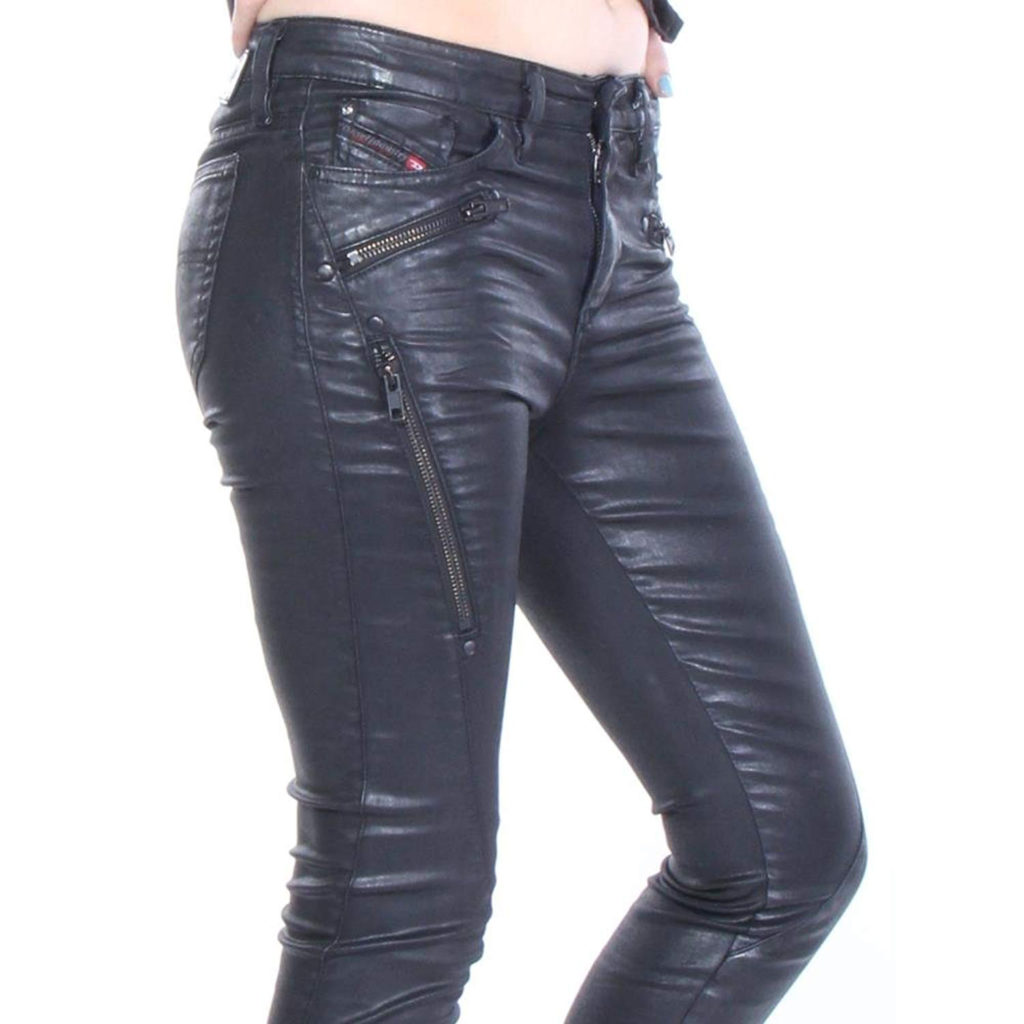
Il design “Skinzee SP2” registrato dalla Diesel.
Inoltre, la Diesel aveva lamentato la violazione dei propri diritti di design (non registrato) sul sandalo invernale denominato “Fussbet” ad opera di un modello di sandalo identico posto in commercio dalla catena di negozi Zara Home.
La Zara aveva contestato la validità dei diritti di design della società Diesel sostenendo che il jeans Skinzee SP2 era incapace di suscitare un’impressione generale diversa rispetto ad altri modelli simili già in commercio – dunque non possedeva i requisiti per essere registrato come design – e che il sandalo Fussbet impiegava una forma classica e banale – e doveva quindi considerarsi anch’esso escluso dalla tutela di cui godono i design non registrati nell’Unione Europea.
La validità dei design
La sentenza del Tribunale di Milano n. 5390/2018, pubblicata il 15 maggio 2018, ha innanzitutto confermato la validità dei design azionati dalla società Diesel.
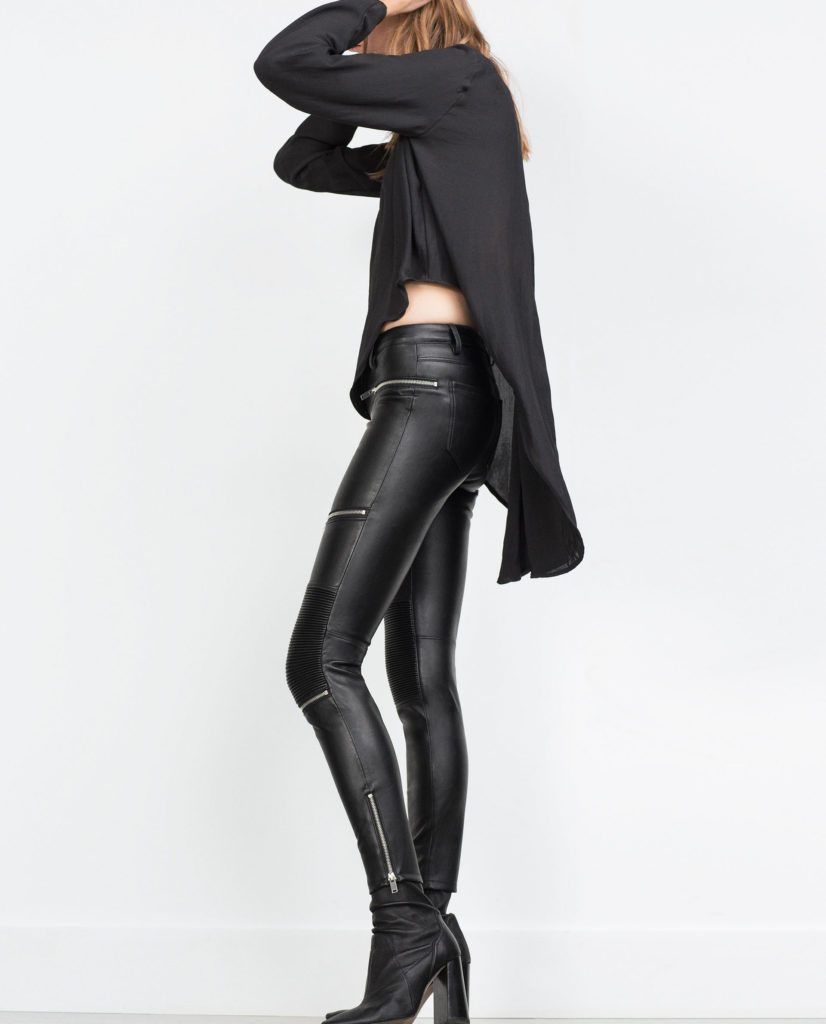
Il modello “Biker cerniere” commercializzato dalla Zara.
Richiamandosi al concetto di “margine di libertà” del creatore del design ai sensi del Regolamento UE 6/2002 sul design comunitario, il tribunale ha osservato che nel settore dell’abbigliamento, condizionato dalla presenza di un numero molto elevato di forme concorrenti, si determina un affollamento di prodotti dotati di caratteristiche simili.
In tale situazione, anche differenze modeste ma comunque percepibili dal consumatore informato e competente in materia di abbigliamento possono giustificare la validità del diritto di design.
Nel caso del jeans Skinzee SP2 il tribunale ha identificato gli elementi caratterizzanti del design registrato nella combinazione tra le cuciture oblique longitudinali sulle gambe e nella posizione delle cerniere lampo; e in particolare di quella verticale che si allunga sulla gamba del pantalone verso il basso, priva di funzione pratica.
Nel caso del sandalo Fussbet gli elementi caratterizzanti sono i materiali utilizzati (feltro e gomma nera), l’incrocio sulla parte superiore e il cinturino posteriore con fibbia.
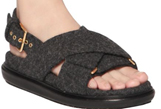
Il sandalo “Fussbet”, design non registrato di proprietà della Diesel.
La contraffazione dei design
Per entrambi i prodotti, il tribunale ha ritenuto che i modelli Zara costituissero contraffazione dei diritti di design di titolarità della Diesel.
I prodotti incriminati riproducevano infatti gran parte degli elementi caratterizzanti dei modelli della Diesel, tanto da impedire al consumatore di distinguere il prodotto Diesel da quello Zara.
Design contraffatti commercializzati da società estere
Senza dubbio l’aspetto più interessante del caso è però quello della giurisdizione.
La sentenza ha accertato che tutte le società del gruppo Zara convenute in giudizio (ivi comprese le sorelle spagnole della Zara Italia) avevano posto in vendita prodotti in contraffazione dei diritti della Diesel, e ha proibito loro la commercializzazione del modello di pantalone Biker cerniere in tutto il territorio dell’Unione Europea fissando una penale di 200 euro per ogni prodotto venduto in violazione di tale misura.
Il tribunale ha citato al riguardo la sentenza della Corte di Giustizia dell’Unione Europea nei procedimenti riuniti C-24/16 e C-25/16 Nintendo/BigBen, secondo la quale il Regolamento UE 6/2002 sul design comunitario – in combinato disposto con le norme UE concernenti la competenza giurisdizionale nonché il riconoscimento e l’esecuzione delle decisioni in materia civile e commerciale – consente a un tribunale nazionale che abbia accertato la contraffazione di un design comunitario da parte di un convenuto di adottare misure sanzionatorie, anche riguardanti il risarcimento del danno, nei confronti di altri soggetti convenuti con sede in uno stato estero che abbiano fabbricato o commercializzato all’estero i prodotti in violazione dei diritti di design.
La sentenza del Tribunale di Milano può ancora essere oggetto di appello, ma costituisce comunque una presa di posizione importante e un’ottima notizia per le imprese italiane che investono in creatività, innovazione e tutela dei diritti di proprietà intellettuale.
 Scarica PDF
