


A rischio il marchio tridimensionale KitKat: la distintività acquisita va dimostrata in tutta l’UE
MARCHIO UE – GIURISPRUDENZA
Per il Tribunale dell’Unione Europea l’EUIPO ha errato nel confermare la validità del marchio tridimensionale per la forma della cioccolata “Kitkat 4 fingers”.
Il 15 dicembre 2016 il Tribunale dell’Unione Europea (il tribunale) ha emesso sentenza nel procedimento T-112/13 riguardante il marchio tridimensionale per la rappresentazione della barretta di cioccolato “KitKat 4 fingers”, registrato nel 2006 presso l’Ufficio dell’Unione europea per la proprietà intellettuale (EUIPO) a nome della Nestlé, e contestato dal concorrente Mondelez.
Il marchio tridimensionale (vedi figura) era stato registrato per “confetteria, pane, pasticceria, biscotti, dolci, waffle” in Classe 30.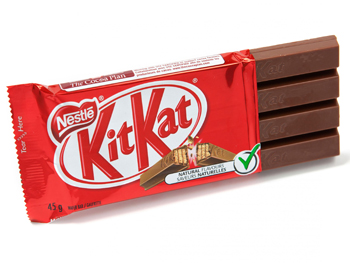
Nel 2012 la Mondelez aveva promosso un’azione amministrativa dinanzi all’EUIPO volta ad ottenere una dichiarazione di invalidità del marchio tridimensionale della Nestlé. L’EUIPO invece confermò la validità del marchio in questione.
La sentenza del tribunale ha ritenuto errata la decisione dell’EUIPO sull’invalidità essenzialmente in base a due motivazioni.
Innanzitutto non era stato presentato alcun elemento in base al quale era possibile ritenere che il marchio fosse stato utilizzato per quattro dei prodotti rivendicati (pane, pasticceria, dolci e waffle).
In secondo luogo, la Nestlé non aveva dimostrato che il marchio avesse acquisito carattere distintivo tramite l’uso in tutti i 15 stati membri dell’Unione Europea all’epoca della registrazione del marchio.
La Nestlé aveva presentato documentazione comprovante che una parte significativa del pubblico di riferimento in tutta l’Unione Europea percepisce la forma della barretta di cioccolata in questione come indicante l’origine commercial del prodotto. Il tribunale ha rilevato però che non in tutti gli stati membri dell’UE i consumatori associano necessariamente quella forma con il nome KitKat, dal momento che in alcuni paesi UE prodotti dalla forma simile vengono commercializzati con nomi diversi.
I sondaggi che la Nestlé aveva presentato al tribunale confermavano che le barre di cioccolato avevano acquisito carattere distintivo in dieci paesi UE (Danimarca, Germania, Spagna, Francia, Italia, Paesi Bassi, Austria, Finlandia, Svezia e Regno Unito) ma non, secondo la sentenza, nei rimanenti cinque. Il tribunale ha concluso che l’EUIPO aveva errato nel non ritenere necessaria la dimostrazione del carattere distintivo acquisito tramite l’uso in tutti i paesi membri dell’UE a suo tempo.
La sentenza del tribunale ha annullato la decisione dell’EUIPO sulla richiesta di invalidità del marchio tridimensionale Nestlé presentata dalla Mondelez. L’EUIPO dovrà ora riesaminare il caso.
 Scarica PDF
