


Addio al marchio tridimensionale per il cubo di Rubik: la sentenza della Corte di Giustizia UE
MARCHIO UE – GIURISPRUDENZA
La sentenza della Corte di Giustizia dell’Unione Europea nel caso Simba Toys nega di fatto la validità del marchio tridimensionale per il “cubo di Rubik”: le norme UE escludono la registrazione di forme che abbiano una funzione tecnica, anche se questa non è percepibile dalla rappresentazione grafica del marchio inclusa nella domanda di registrazione.
La Seven Towns, società che sviluppa giochi, è titolare di una registrazione di marchio dell’Unione Europea per la rappresentazione grafica (vedi sotto) del rompicapo noto al pubblico come “Cubo di Rubik”. La registrazione copre “puzzle tridimensionali” nella Classe 28.
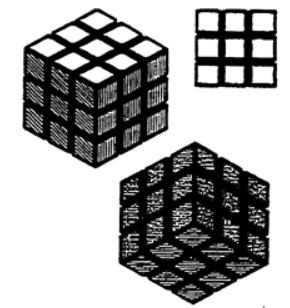
La concorrente Simba Toys aveva presentato una domanda di dichiarazione di nullità di tale marchio che era stata rigettata dalla Divisione di annullamento dell’EUIPO, decisione confermata dalla Commissione di ricorso dell’EUIPO.
Dopo una ulteriore decisione sfavorevole del Tribunale dell’Unione Europea (il Tribunale), la Simba Toys aveva adito la Corte di Giustizia dell’Unione Europea (CG), sostenendo che il Tribunale avesse applicato erroneamente la norma UE che esclude dalla registrazione i segni composti esclusivamente dalla forma del prodotto necessaria per ottenere un risultato tecnico (articolo 7, paragrafo 1, lettera e), ii) del Regolamento UE n. 40/94).
Secondo la ricorrente il Tribunale aveva ritenuto la norma in questione non applicabile al marchio registrato della Seven Towns essenzialmente in base a due assunti infondati: il primo è che la norma possa applicarsi solo se un risultato tecnico può essere dedotto dalla rappresentazione grafica del marchio; il secondo è un’interpretazione troppo restrittiva di “risultato tecnico”, la quale ha portato il Tribunale a concludere che la struttura a griglia sulle facce del cubo non abbia una funzione tecnica.
Con la sentenza nella causa C-30/15 P del 10 novembre 2016 la CG ha annullato sia la sentenza del Tribunale che la precedente decisione della Commissione di ricorso dell’EUIPO.
La CG ha ritenuto che il Tribunale avesse adottato un’interpretazione eccessivamente restrittiva dei criteri per valutare l’applicabilità dell’articolo 7, paragrafo 1, lettera e), ii) del Regolamento UE n. 40/94, ritenendo che la valutazione debba fondarsi essenzialmente sulla rappresentazione grafica della forma registrata come marchio, senza necessariamente prendere in considerazione elementi supplementari che un osservatore oggettivo non sarebbe in grado di dedurre dalla rappresentazione – come ad esempio la capacità di rotazione degli elementi individuali degli elementi del cubo.
Secondo la CG, né il fatto che il marchio contestato sia stato registrato per «puzzle tridimensionali» in generale (ossia senza limitarsi a quelli con capacità di rotazione), né il fatto che la domanda di registrazione non specificasse che la forma in esame era capace di rotazione, impediva al Tribunale di prendere in esame la funzione tecnica del prodotto concreto rappresentato.
Infine, il Tribunale avrebbe dovuto esaminare la funzionalità delle caratteristiche essenziali del segno, ovvero il cubo e la struttura a griglia su ciascuna faccia del cubo, al fine di impedire al titolare del marchio di estendere la tutela conferita dalla registrazione a ogni tipo di puzzle di forma simile, indipendentemente dalle sue modalità di funzionamento.
 Scarica PDF
