

Tribunale francese conferma la tutela del diritto d’autore e del marchio 3D per le borse Hermès contro copie fisiche e virtuali
Hermès ha ottenuto una sentenza favorevole e degna di nota in un procedimento legale dinanzi al Tribunal judiciaire de Paris, iniziato in difesa dei diritti d’autore e di marchio sui modelli di borsa Kelly e Birkin sia nel mondo fisico che in quello virtuale.
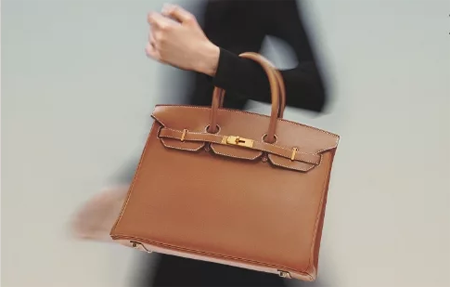
La borsa Birkin di Hermès – Immagine proveniente dal sito hermes.com
La casa di moda Hermès (Hermès International et Hermès Sellier, “Hermès” nel seguito) aveva iniziato un procedimento legale dinanzi al Tribunal judiciaire de Paris lamentando la commercializzazione, da parte della società francese Blao&Co, di borse accompagnate da NFT con immagini delle borse stesse in violazione dei diritti d’autore e di marchio detenuti dalla maison francese sugli iconici modelli Kelly e Birkin. Hermès lamentava inoltre la violazione del marchio tridimensionale riguardante la chiusura a lucchetto utilizzata in entrambi i modelli originali di borsa.
La Blao&Co sosteneva che i due modelli di borsa citati da Hermès non fossero tutelabili in base al diritto d’autore poiché costituiti da elementi privi di originalità in quanto comunemente utilizzati nel settore della pelletteria di lusso; contestava inoltre i diritti di marchio affermando che l’uso del lucchetto come chiusura sarebbe comune a diversi modelli di borse di alta gamma, e che comunque poiché i modelli commercializzati dalla Blao&Co riportavano sul lucchetto il marchio “NDG” era da escludere che il consumatore potesse credere le borse provenienti dalla Hermès.
Confermati i diritti d’autore e di marchio sulle borse
Il 7 febbraio 2025 il Tribunal judiciaire de Paris, con la sentenza n°22/09210, ha ritenuto che i modelli Birkin e Kelly godono della protezione del diritto d’autore, riconoscendo che la specifica combinazione di caratteristiche formali e funzionali può costituire un’espressione creativa tutelabile anche per oggetti d’uso quali le borse.
Inoltre il lucchetto, incorporato nel sistema di chiusura registrato come marchio tridimensionale, secondo la sentenza costituisce uno degli elementi più distintivi del modello Hermès agli occhi del pubblico.
Diritti di proprietà intellettuale estesi al mondo virtuale
Per quanto riguarda gli NFT, il tribunale ha esteso al prodotto virtuale gli stessi diritti validi sul prodotto fisico, con una sentenza che è fra le prime emesse da un tribunale francese in un caso riguardante la violazione di diritti di proprietà intellettuale connessa a un’immagine NFT.
Non è la prima volta, invece, che Hermès fa valere i diritti sui propri modelli di borsa nel mondo virtuale: nel 2022/2023 la maison è già stata vittoriosa nel caso delle borse MetaBirkin, uno primi casi dinanzi a un tribunale statunitense riguardanti l’uso non autorizzato di un marchio in connessione con un’immagine NFT (leggi la nostra notizia).
Per saperne di più
Cerchi informazioni sulla tutela dei tuoi prodotti o servizi, reali o virtuali? Contattaci.
Contenuti correlati
Flash news – Il marchio nel mondo fisico e nel mondo virtuale: quando la capacità distintiva è la stessa
 Scarica PDF
