


Modello di utilità: quando le forme diverse non escludono la contraffazione
La semplice sostituzione di una parte del meccanismo tutelato da modello di utilità non esclude la contraffazione, se la sostituzione rappresenta una normale alternativa tecnica per ottenere lo stesso risultato: il Tribunale di Milano applica la contraffazione per equivalenti ai prodotti “Easy Wring” Vileda.
Con la sentenza n. 10164/2015 dell’11 settembre 2015 il Tribunale di Milano ha interpretato in senso ampio la contraffazione per equivalenti del modello di utilità, sottolineando che la contraffazione sussiste anche quando un prodotto adotta forme diverse da quelle descritte nel modello, se a parità di efficacia le differenze sono unicamente una normale alternativa tecnica per raggiungere lo stesso risultato.
Fatti all’origine della causa
La Orlandi S.p.A. (nel seguito la Orlandi) è licenziataria del modello di utilità italiano n. 269122, di cui è titolare la Dikai International Enterprise Co. Ltd (nel seguito la Dikai) riguardante un secchio per lavare pavimenti, dotato all’interno di un cestello rotante azionato tramite un pedale, che consente di eliminare l’acqua in eccesso da uno spazzolone a strisce pulenti.
La Orlandi e la Dikai avevano citato in giudizio i produttori di un secchio per lavare pavimenti denominato “Easy Wring” (versione recente del noto “mocio Vileda”) dotato anch’esso all’interno di un cestello rotante azionabile tramite un pedale per strizzare l’acqua da uno spazzolone a strisce pulenti. Le attrici sostenevano che il prodotto “Easy Wring” violasse il modello di utilità di proprietà della Dikai.
Il Tribunale di Milano aveva ordinato una consulenza tecnica d’ufficio (CTU) per accertare sia la validità del modello di utilità in questione, sia l’eventuale sussistenza di contraffazione nel prodotto “Easy Wring”.
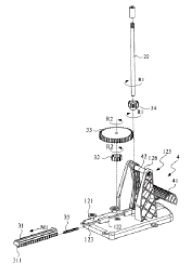
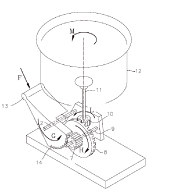
Confermata la validità del modello di utilità, la CTU aveva stabilito che nel modello di utilità (fig. 1) il pedale era collegato a un elemento dentato rettilineo che trasmetteva il moto ad altri ingranaggi che a loro volta trasmettevano la rotazione al cestello interno; nel prodotto Easy Wring invece (fig. 2) mancava l’elemento rettilineo, ed era direttamente il pedale, dotato di un lato curvo dentato, ad agire sugli ingranaggi per trasmettere la rotazione al cestello interno.
 |
 |
| fig. 1 | fig. 2 |
Secondo la CTU, la soluzione adottata nel prodotto “Easy Wring” non costituiva violazione del modello perché non utilizzava il sistema a cremagliera, cioè l’elemento dentato rettilineo di trasmissione del moto dal pedale agli altri ingranaggi. Pertanto, la CTU aveva escluso la contraffazione.
La perizia escludeva anche la contraffazione cosiddetta “per equivalenti” prevista dall’ Articolo 82 comma 3 del Codice della Proprietà Industriale secondo il quale “gli effetti del brevetto per modello di utilità si estendono ai modelli che conseguono pari utilità, purché utilizzino lo stesso concetto innovativo”.
La CTU aveva infatti identificato il “concetto innovativo” del modello di utilità nell’applicazione al cestello di un sistema a cremagliera per renderlo ruotabile, soluzione mai prima prevista in alcuno dei documenti di anteriorità.
La sentenza del tribunale
Con sentenza n. 10164 dell’11 settembre 2015, Il Tribunale di Milano ha però ritenuto troppo restrittiva l’interpretazione del “concetto innovativo” data dalla CTU; la sentenza sottolinea che il riferimento della legge a un medesimo “concetto innovativo” comporta che anche forme diverse possano costituire violazione dell’esclusiva quando a pari efficacia, esse non siano altro che una variante ovvia della struttura descritta nel modello, cioè già di per sé costituenti una normale alternativa tecnica per raggiungere lo stesso risultato.
Va dunque valutato se la diversa conformazione di una parte della macchina, nel permettere di raggiungere lo stesso risultato finale, presenti carattere di originalità offrendo una risposta non banale né ripetitiva della precedente.
Il Tribunale di Milano ha ritenuto che nel caso di specie sostituire l’elemento dentato rettilineo con il pedale dotato di curva dentata fosse un’ovvia realizzazione alternativa della specifica funzione dell’elemento rettilineo – trasformare il moto rettilineo impreso dal pedale in moto rotatorio – che un tecnico può agevolmente soddisfare mediante diverse combinazioni di ingranaggi dentati. Tale variazione, da sola, non era sufficiente, secondo il tribunale, ad evitare la contraffazione “per equivalenti”.
Il tribunale ha pertanto accertato la contraffazione del modello di utilità, ordinando alle convenute di ritirare dal commercio I prodotti “Easy Wring”, proibendone la produzione e commercializzazione, e fissando una penale per ogni prodotto commercializzato in violazione di tale inibitoria e per ogni giorno di ritardo nell’esecuzione dell’ordine di ritiro dal commercio.
30 ottobre 2015
 Scarica PDF
