

AI Act, proprietà intellettuale e intelligenza artificiale – C. Lamantea
L’Artificial Intelligence Act (AI Act), proposta con la quale la Commissione Europea intende normare l’uso dell’intelligenza artificiale per prevenirne i potenziali rischi, sarà all’esame del Parlamento Europeo nelle prossime settimane; Carlo Lamantea spiega in breve quali aspetti dell’AI Act sono rilevanti dal punto di vista della tutela dei diritti di proprietà intellettuale.
Da più di un anno si susseguono giornalmente notizie e aggiornamenti sempre più numerosi sul tema dell’intelligenza artificiale, che va assumendo una rilevanza crescente non solo a livello tecnologico, ma anche per quanto concerne le sue implicazioni a livello economico, sociale e legale. Esempi recenti sono l’interruzione temporanea del servizio di generazione di immagini “Gemini” di Google dopo le critiche per rappresentazioni non aderenti alle realtà, o la scelta di OpenAI di non rendere accessibile la versione beta del proprio modello di intelligenza artificiale generativa video “Sora” per motivi di sicurezza.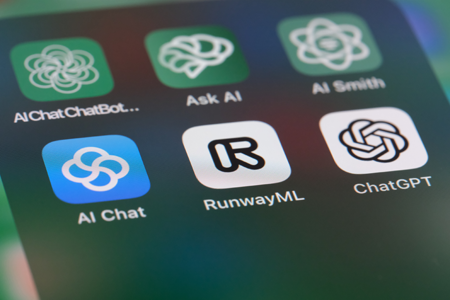
Sono stati molto discussi i possibili effetti collaterali derivanti dall’uso dell’intelligenza artificiale come la perdita di posti di lavoro e la diffusione di fake news, ma anche le questioni riguardanti il rispetto dei diritti di proprietà intellettuale, specie il diritto d’autore.
Il legislatore europeo ha deciso di intervenire sulla materia attraverso una proposta di regolamento sull’intelligenza artificiale, detto Artificial Intelligence Act o AI Act, considerato il primo testo legislativo sull’intelligenza artificiale al mondo. Approvato il 13 febbraio 2024 dalla Commissione per il mercato interno e la protezione dei consumatori e dalla commissione per le libertà civili, la giustizia e gli affari interni del Parlamento Europeo, il testo verrà discusso dal parlamento stesso in seduta plenaria il prossimo aprile.
La proposta di regolamento ha lo scopo di normare il settore per prevenire i potenziali rischi derivanti dai sistemi di intelligenza artificiale e dai loro possibili utilizzi.
L’Articolo 3 del testo definisce un sistema di intelligenza artificiale come “un sistema basato su macchine progettato per funzionare con diversi livelli di autonomia e che può mostrare ad attività dopo l’implementazione e che, per obiettivi espliciti o impliciti, deduce, dall’input che riceve, come generare output quali previsioni, contenuti, raccomandazioni o decisioni che possono influenzare ambienti fisici o virtuali”. È bene precisare che la Commissione europea adotterà in futuro anche linee guida più dettagliate sull’applicazione di tale definizione.
Secondo la proposta, i sistemi di intelligenza artificiale saranno categorizzati in base al loro profilo di rischio: rischio inaccettabile per sistemi sono espressamente vietati dal regolamento stesso; rischio alto, dove i sistemi saranno valutati sulla base della conformità a requisiti minimi; rischio basso per sistemi tenuti ad obblighi di trasparenza; rischio minimo per sistemi esenti da obblighi.
In tale contesto, i sistemi di intelligenza artificiale comprendono anche quei sistemi di intelligenza artificiale ‘generativa’ che necessitano di grandi dataset per il loro addestramento. La problematica più discussa in materia di proprietà intellettuale infatti riguarda proprio l’istruzione di tali sistemi sulla base di contenuti protetti da diritto d’autore.
L’uso di materiale protetto dal diritto d’autore per l’ammaestramento di sistemi di intelligenza artificiale è infatti già fonte di dispute legali, quali ad esempio la causa avviata negli Stati Uniti dal New York Times contro la OpenAI, ideatrice di ChatGPT, e il procedimento legale iniziato nel Regno Unito dalla Getty Images nei confronti di Stability AI, creatrice del software Stable Diffusion.
La proposta di regolamento si interseca con un testo normativo già in vigore e particolarmente dibattuto, vale a dire la Direttiva Copyright 790/2019, specie per quanto riguarda gli aspetti legati allo scraping delle banche dati che è necessario per l’addestramento dei sistemi di intelligenza artificiale. Se per gli scopi scientifici l’attività di text and data mining è permessa anche senza l’autorizzazione dei titolari dei diritti, l’attività di estrazione in generale può avvenire solo quando l’utilizzo per tali fini non sia stato riservato in modo espresso dai titolari. In entrambi i casi, l’accesso alle opere deve essere avvenuto legittimamente.
Pur non avendo riferimenti espliciti alla proprietà intellettuale, il Considerando 60 della proposta di regolamento afferma che i fornitori di modelli di intelligenza artificiale dovranno comunque rispettare la normativa dell’Unione Europea in tema di diritto d’autore, compresa dunque la Direttiva Copyright 790/2019.
Infine, bisogna precisare che i fornitori dei servizi di intelligenza artificiale dovranno rendere disponibile al pubblico una sintesi dei contenuti utilizzati per l’addestramento del modello. Questa sintesi, anche se non dettagliata a livello tecnico, dovrà essere completa e tener conto della necessità di proteggere i segreti commerciali e le informazioni aziendali riservate.
Il futuro dell’intelligenza artificiale è ancora da definire, così come lo è il suo rapporto con la proprietà intellettuale. Tuttavia la portata dei cambiamenti in atto, secondo alcuni addirittura epocale, senz’altro richiede la predisposizione di misure che consentano un equilibrio fra la tutela dei diritti da un lato e lo sviluppo e l’impiego delle nuove tecnologie dall’altro.
 Scarica PDF
