

MetaBirkin, gli NFT hanno violato il marchio di Hermès: la conferma nella sentenza del tribunale di New York
La sentenza dell’8 febbraio 2023 nel conflitto fra Hermès e Mason Rothschild, emessa da un tribunale federale statunitense, condanna l’artista a risarcire la maison di moda: la giuria ha confermato che la commercializzazione e la vendita degli NFT MetaBirkin ritraenti l’iconico modello di borsa, come l’uso del nome a dominio metabirkin.com, hanno violato il marchio Birkin.
Il caso MetaBirkin è fra i primi in cui un tribunale affronta le questioni della legittimità della produzione di non-fungible token o NFT senza l’autorizzazione del titolare dei diritti di marchio sull’immagine riprodotta, e dei limiti entro i quali l’uso di un marchio è consentito a fini artistici.
Una prima pronuncia (Order) da parte del United States Southern District Court of New York (nel seguito “il tribunale”) era già stata resa nel maggio 2022; l’8 febbraio 2023 il medesimo tribunale ha emesso la sentenza conseguente al processo vero e proprio.
I fatti all’origine del procedimento
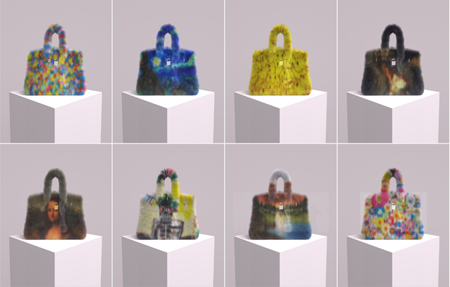
MetaBirkin create da Mason Rothschild – immagini tratte dal sito looksrare.org
Hermès si era rivolta al tribunale in seguito alla produzione e alla vendita da parte di Mason Rothschild, senza l’assenso di Hermès, di una serie di NFT connessi a immagini digitali denominate “MetaBirkin” e riproducenti rielaborazioni della celebre borsa Birkin, sulla quale la casa di moda francese detiene diritti di marchio.
L’artista si era difeso invocando precedenti che avevano riconosciuto la tutela della libertà di espressione, sancita dal primo emendamento della Costituzione statunitense, per le opere d’arte in cui compaiono marchi registrati di proprietà di terzi.
La sentenza del tribunale
Il procedimento che ha dato luogo a questa seconda pronuncia è stato un “jury trial”, ovvero un processo con giuria, volto a stabilire se Mason Rothschild nel pubblicizzare e mettere in vendita online gli NFT MetaBirkin avesse violato i diritti di proprietà intellettuale di Hermès, causando fra l’altro la diluizione del marchio Birkin, e se fosse applicabile al caso la tutela prevista dal primo emendamento di cui sopra.
Con decisione dell’8 febbraio 2023, il tribunale ha ritenuto Mason Rothschild responsabile della violazione e della diluizione del marchio, oltre che di cybersquatting per aver registrato e utilizzato il nome a dominio metabirkin.com.
Il tribunale ha ritenuto che gli NFT MetaBirkin fossero riferiti all’immagine di un modello di borsa ben riconoscibile, e che gli acquirenti avessero percepito gli NFT come contenuto collegato al celebre modello di borsa commercializzato da Hermès.
Per lo stesso motivo la sentenza ha inoltre escluso, in base alla giurisprudenza, che al caso fosse applicabile la tutela prevista dal primo emendamento della Costituzione statunitense, senza entrare nel merito dell’esistenza o meno del carattere espressivo che qualificherebbe le immagini MetaBirkin come opere d’arte.
Durante il procedimento erano stati presentati materiale e testimonianze comprovanti che, nel rappresentare il progetto MetaBirkin a investitori e collaboratori, Mason Rothschild aveva qualificato se stesso come uno “stratega del marketing” e la produzione e vendita degli NFT MetaBirkin come una “miniera d’oro” grazie allo sfruttamento della notorietà del modello di borsa Birkin; alcuni commentatori ritengono che tali elementi potrebbero aver pesato nel ritenere non applicabile la tutela del primo emendamento.
Da osservare inoltre che Hermès ha affermato, nell’ambito di questo procedimento, che il progetto MetaBirkin aveva ostacolato i piani della maison per un debutto sul mercato degli NFT.
In conclusione, Mason Rothschild è stato condannato a risarcire la Hermès con la somma di 133 mila dollari statunitensi, corrispondenti secondo il tribunale al ricavo realizzato dall’artista dal progetto MetaBirkin.
Ma la disputa potrebbe non essere ancora conclusa: notizie di stampa specializzata riportano che Mason Rothschild avrebbe già deciso di impugnare la sentenza dinanzi alla Corte Suprema degli Stati Uniti.
Commento
La pronuncia dell’8 febbraio 2023 nel caso MetaBirkin è certamente una nota positiva per il mondo della moda e per i titolari di marchio in genere; tuttavia, nel caso di specie, è da notare che
- il marchio utilizzato senza il consenso del titolare per la produzione di NFT è molto noto
- Hermès ha potuto dimostrare l’esistenza di un proprio progetto, antecedente ai fatti oggetto della disputa, finalizzato a una sua entrata nel mercato degli NFT.
Dal momento che non tutti vantano marchi altrettanto noti e possono dimostrare di aver elaborato progetti per il mercato degli NFT, è prudente e consigliabile per le imprese, non soltanto quelle del settore moda, predisporre tutte le tutele e vigilanze atte a salvaguardare i propri diritti di marchio anche nel metaverso, prima fra tutte l’estensione della tutela dei marchi al commercio di NFT e dei prodotti digitali in genere.
Per saperne di più
Hai necessità di tutelare il tuo marchio nel metaverso? Contattaci per informazioni
Contenuti correlati
Flash news – NFT MetaBirkin, prima decisione di un tribunale USA
Flash news – NFT e proprietà intellettuale, come tutelarsi dall’uso non autorizzato di marchi e design
Flash news – Il metaverso, i marchi e la proprietà intellettuale: opportunità e rischi
 Scarica PDF
