

Il metaverso, i marchi e la proprietà intellettuale: opportunità e rischi
Cos’è il metaverso, e perché comprenderne opportunità e rischi potenziali è importante per i titolari di marchi, design e altri diritti di proprietà intellettuale.
Cos’è il metaverso
Per “metaverso”, termine coniato da Neal Stephenson e utilizzato per la prima volta nel suo libro “Snow crash” nel 1992, si intende oggi un universo parallelo formato da piattaforme online nelle quali l’utente, attraverso un proprio alter-ego virtuale o “avatar”, può frequentare spazi e fare esperienze più o meno realistiche e personalizzate, grazie anche all’uso di tecnologie di realtà virtuale (realtà completamente digitale) e realtà aumentata (aggiunta di elementi digitali alla percezione del mondo reale). All’interno del metaverso l’avatar può interagire con gli avatar di altri utenti, come già avviene ad esempio sulla piattaforma Roblox dedicata ai videogiochi, oppure su Decentraland, piattaforma di realtà virtuale basata su tecnologia blockchain in cui gli utenti possono creare e monetizzare ambienti e applicazioni.
Il metaverso è, di fatto, il passo successivo alla creazione e diffusione delle piattaforme social che andrà oltre tali piattaforme, inglobandole.
Il progetto di Meta
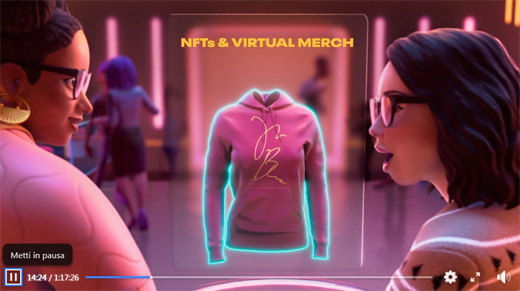
Due avatar davanti a una vetrina virtuale in un momento del video di presentazione del progetto di metaverso Meta.
Sull’idea di metaverso sta lavorando fra gli altri, anche Meta, ovvero la ex Facebook Company di il cui CEO Mark Zuckerberg ha annunciato il 28 ottobre 2021 il cambio di nome. Di Meta fanno parte tutte le piattaforme di proprietà della ex Facebook Company (Facebook, Messenger, Instagram, Whatsapp, YouTube). Obiettivo dichiarato di Meta è appunto quello di creare il metaverso e far crescere le imprese: grow businesses.
Quale sia il progetto di metaverso di Zuckerberg è spiegato e dimostrato dallo stesso CEO di Meta in un video che ne evidenzia con efficacia le potenziali opportunità per marketing ed esperienze di acquisto.
L’aggettivo che Zuckerberg utilizza spesso per qualificare il metaverso è immersive: gli avatar si muoveranno in ambienti estremamente realistici e totalmente personalizzabili. L’utente-avatar potrà, fra l’altro, creare la propria abitazione, arredarla, formare un guardaroba di indumenti virtuali per ogni occasione, praticare sport e altre attività virtualmente condividendo spazi ed esperienza con altri utenti. Sarà inoltre possibile la ricerca e, come è facile prevedere, l’acquisto, di tutto ciò che al proprio avatar occorre per arredare ambienti, vestirsi, praticare sport, ecc.
Le opportunità
Diventa evidente come questo tipo di metaverso “immersivo”, di cui il progetto di Mark Zuckerberg è una delle declinazioni, ha in generale delle potenzialità molto importanti per i brand connesse alla possibilità di offrire esperienze virtuali al consumatore, a partire dal marketing (ad esempio tramite il gioco) per arrivare all’acquisto sia nel mondo virtuale che in quello reale.
Le prime imprese a sbarcare nel metaverso sono state quelle del settore moda. Solo per citare alcuni esempi, Nike e Gucci hanno già inaugurato i propri spazi virtuali sulla piattaforma di videogiochi Roblox (Nikeland, Gucci Garden). Anche Benetton ha recentemente annunciato l’imminente inaugurazione di un negozio virtuale, anche in questo caso caratterizzato dalle esperienze prettamente ludiche offerte agli utenti.
Il metaverso e la proprietà intellettuale: i primi contenziosi
Sono già noti casi di contenzioso riguardante la produzione e vendita di NFT che riproducono noti prodotti di grandi case di moda: ad esempio quello fra la maison Hermes e l’artista Mason Rothschild riguardante gli NFT delle cosiddette Metabirkin ispirate al famoso modello di borsa Jane Birkin della Hermes, o il conflitto fra Nike e la piattaforma di reselling StockX riguardante la vendita di NFT di scarpe Nike non autorizzate dalla titolare del marchio.
Per il momento gli esempi di contenzioso riguardano soprattutto il mondo della moda, ma alla luce degli sviluppi già annunciati per il metaverso è bene che le imprese, indipendentemente dal settore di attività, non trascurino di aggiornare l’estensione e le strategie di protezione e valorizzazione di marchi, design e proprietà intellettuale in genere.
Corsa alla registrazione del marchio nel metaverso
Le scorse settimane hanno visto una rapida crescita di richieste di registrazione di nuovi marchi, o di estensione di marchi già in uso, per prodotti e servizi virtuali: ne hanno depositate la stessa Nike e la Abercrombie and Fitch, ma il fenomeno non riguarda unicamente il mondo della moda dal momento che hanno già presentato richieste in tal senso realtà appartenenti ai settori più disparati: fra le altre, la borsa di New York (New York Stock Exchange), Monster Energy, McDonalds, L’Oréal e la squadra di basketball statunitense Brooklyn Nets.
Parallelamente sono iniziati i tentativi fraudolenti di registrazione di marchi famosi da parte di terzi per prodotti e servizi virtuali (esempi noti sono Gucci e Prada). Appare chiaro dunque che è iniziata una vera propria corsa alla registrazione del marchio nel metaverso.
Cosa fare
Che si sia interessati o meno ad intraprendere attività commerciali tramite la produzione di NFT o l’utilizzo di spazi nel metaverso, entrambi questi ambiti dovranno essere presi in considerazione dal punto di vista della tutela dei propri asset di proprietà intellettuale, anche per evitare il rischio di registrazioni fraudolente da parte di terzi.
Consigliamo dunque alle imprese di valutare insieme al proprio consulente di riferimento se e quali modifiche al portafoglio di proprietà intellettuale sia opportuno considerare alla luce delle potenzialità del metaverso.
Fra le principali misure preventive da prendere in considerazione, segnaliamo:
- estendere la tutela dei marchi e dei design registrati per coprire prodotti e servizi virtuali / NFT
- monitorare l’uso dei propri marchi da parte di terzi sulle piattaforme virtuali
- registrare nomi a dominio con estensioni connesse al metaverso
- monitorare la registrazione di nomi a dominio con estensioni connesse al metaverso identici o simili al proprio marchio.
Ovviamente ulteriori possibili misure e strategie devono essere valutate caso per caso.
Per ulteriori informazioni su come tutelare i tuoi diritti di proprietà intellettuale nel metaverso, contattaci.
 Scarica PDF
