


Imitazione DOP? La registrazione tutela non solo la denominazione di origine ma anche l’aspetto del prodotto
L’imitazione dell’aspetto di un prodotto DOP può essere vietata se l’elemento imitato è una caratteristica di riferimento del prodotto stesso e se la sua riproduzione può trarre in inganno il consumatore: la ha stabilito la Corte di Giustizia UE in una sentenza di interesse per la difesa delle DOP italiane.
Il formaggio “Morbier” è tutelato dal dicembre del 2000 da una registrazione per Denominazione d’Origine Protetta (DOP) ai sensi della normativa dell’Unione Europea. Il formaggio Morbier presenta una striscia nera ottenuta con carbone vegetale che lo divide in due parti in senso orizzontale, ed è esplicitamente menzionata nella descrizione del prodotto DOP.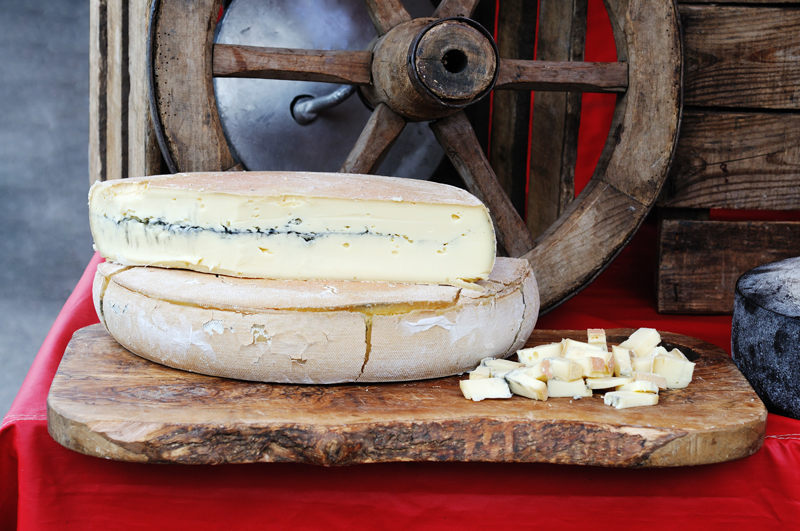
La Societè Fromagère du Livradois (nel seguito SFL), che produce formaggio Morbier, si trova al di fuori della zona geografica a cui è riservato l’uso della DOP Morbier, dunque utilizza per il proprio prodotto la denominazione “Monboissié du Haut Livradois”. Il formaggio della SFL presenta anch’esso una striscia nera che divide il formaggio in due parti in senso orizzontale.
Il consorzio per la tutela del formaggio Morbier (Syndicat interprofessionel de défense du fromage Morbier) ha citato in giudizio la SFL chiedendo che le fosse vietata la produzione e la vendita di un formaggio con la striscia nera che riprende l’aspetto visivo del formaggio protetto dalla DOP Morbier, in quanto atto di concorrenza sleale e parassitaria che danneggia i produttori autorizzati all’uso della DOP.
Il consorzio, le cui richieste sono state respinte nei primi due gradi di giudizio, si è infine rivolto alla Corte di cassazione francese, che ha chiesto alla Corte di Giustizia dell’Unione Europea di stabilire se, in base alle norme UE sulla tutela delle DOP, sia possibile vietare la presentazione di un prodotto protetto da una denominazione d’origine, in particolare la riproduzione della forma o dell’aspetto che lo caratterizzano, che possa indurre in errore il consumatore sulla vera origine del prodotto, anche se la denominazione registrata non viene utilizzata.
La Corte di Giustizia dell’Unione Europea, con sentenza nella causa C-490/19 del 17 dicembre 2020, ha essenzialmente stabilito che le norme europee consentono di vietare l’imitazione dell’aspetto del prodotto oggetto di una DOP nel caso in cui l’elemento imitato sia una caratteristica di riferimento del prodotto e la sua riproduzione possa indurre il consumatore a credere che il prodotto sia quello tutelato dalla DOP.
La sentenza esamina l’articolo 13 del Regolamento UE n. 510/2006 UE in vigore all’epoca dei fatti, insieme all’articolo 13 del Regolamento UE n. 1151/2012 che ha nel frattempo sostituito il primo regolamento, osservando innanzitutto che entrambe le norme vietano a un terzo non soltanto l’uso della DOP registrata, ma anche l’imitazione della forma o dell’aspetto che caratterizza il prodotto, se tale imitazione può indurre il consumatore a credere che il prodotto sia oggetto della denominazione registrata. Di fatto la normativa vieta, per estensione, tutti i comportamenti che possano avere come risultato quello di indurre in errore il consumatore sulla vera origine del prodotto.
La sentenza precisa che è compito del tribunale nazionale accertare se un prodotto che riproduce elementi del prodotto oggetto di una DOP possa trarre in inganno il consumatore.
La pronuncia della Corte di Giustizia dell’Unione Europea è senz’altro una buona notizia per il Made in Italy agroalimentare di qualità poiché dà un’interpretazione ampia della tutela conferita ai prodotti DOP, invocabile nella difesa contro l’imitazione di caratteristiche distintive del prodotto originale che possa trarre in inganno i consumatori.
Per informazioni
Hai necessità di tutelare un prodotto agroalimentare? Contattaci senza impegno per parlarne con un esperto.
Contenuti correlati
Scheda – Tutela prodotti agroalimentari
Flash news – Indicazioni geografiche e denominazioni di origine, la nuova banca dati EUIPO
Flash news – Tutela indicazioni geografiche all’estero, passo UE verso un sistema unico globale
Flash news – Registrazione di indicazioni geografiche a Singapore estesa ai prodotti agroalimentari
 Scarica PDF
