


Diritto d’autore: risarcimento per l’uso non autorizzato del ritratto della Hepburn
Vittoria per gli eredi della defunta attrice Audrey Hepburn: il Tribunale di Torino conferma che in base alla legge sul diritto d’autore il ritratto di persona, anche se famosa, non può essere riprodotto a fini commerciali e pubblicitari senza il consenso della persona stessa o degli eredi.
I due figli della defunta attrice Audrey Hepburn si erano rivolti al Tribunale di Torino lamentando l’uso del ritratto dell’attrice su magliette poste in vendita sia online che offline, e chiedendo che fosse inibito l’ulteriore commercio delle magliette e disposto il risarcimento del danno subito.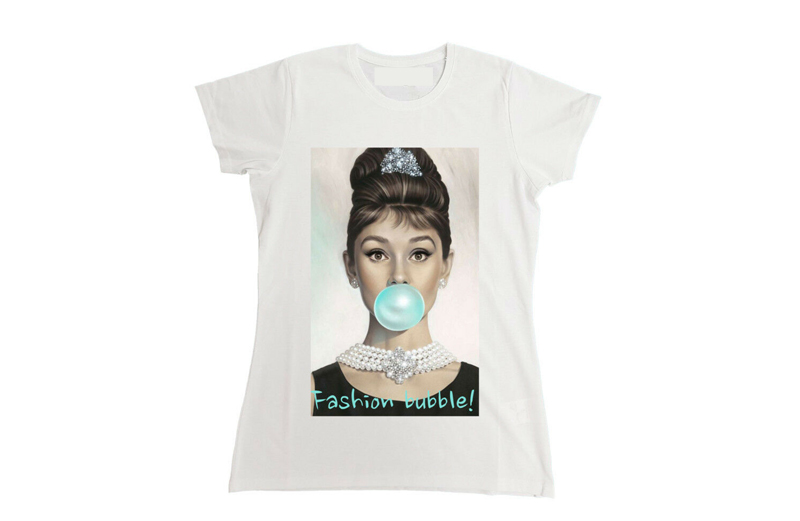
Su alcuni modelli delle magliette incriminate le immagini originali dell’attrice erano state modificate per rappresentarla con una gomma da masticare in bocca, nell’atto di fare un palloncino, oppure tatuata e con il dito medio alzato.
Gli eredi della signora Hepburn contestavano innanzitutto la violazione dell’art. 96 della legge 633/1941 sul diritto d’autore, che vieta l’esposizione, la messa in commercio e la riproduzione del ritratto di una persona senza il consenso della stessa (o dei suoi eredi), nonché la violazione dell’art. 97 della stessa legge e dell’art. 10 del Codice civile, che proibiscono l’esposizione e la messa in commercio del ritratto di una persona in modo tale da recare pregiudizio all’onore, alla reputazione o al decoro della persona ritratta.
La società produttrice delle magliette si era difesa obiettando che l’art. 97 consente la riproduzione di ritratti senza consenso nel caso in cui il soggetto goda di notorietà, e che le immagini della signora Hepburn modificate (con l’aggiunta della gomma da masticare, dei tatuaggi e del dito medio) dovevano essere considerate opere originali rivisitanti, in chiave creativa, l’emancipazione femminile.
Il Tribunale di Torino si è pronunciato il 27 febbraio 2019 con la sentenza n. 940/2019, sfavorevole alla produttrice delle magliette in questione.
La sentenza, facendo riferimento alla giurisprudenza in materia, ricorda che la deroga all’obbligo di consenso prevista dall’art. 97 nel caso di persona nota può essere giustificata dall’interesse pubblico all’informazione, ma che questo non ricorre nel caso di immagini tratte da film, quando la pubblicazione avviene in un contesto diverso da quello dell’opera cinematografica e della sua commercializzazione.
Inoltre l’articolo 10 del Codice civile e i due articoli succitati della legge sul diritto d’autore sono da leggere nel senso che la divulgazione del ritratto senza il consenso dell’interessata è lecita soltanto se e in quanto risponde alle esigenze di pubblica informazione, non quando sia rivolta a fini commerciali o pubblicitari.
Il tribunale ha ritenuto che la società produttrice delle magliette avesse illecitamente sfruttato l’immagine di Audrey Hepburn a fini commerciali, e che la rielaborazione dell’immagine originale dell’attrice avesse recato pregiudizio alla sua reputazione e decoro, causando una perdita di valore economico di quell’immagine e danneggiando quindi gli eredi.
Il tribunale, facendo riferimento fra l’altro a una precedente sentenza del Tribunale di Milano riguardante un’azione degli eredi Hepburn a tutela dell’immagine dell’attrice, ha condannato la società produttrice delle magliette a risarcire gli eredi di Audrey Hepburn nella misura di oltre 61 mila euro per danni patrimoniali e non patrimoniali, oltre al rimborso delle spese processuali.
Per informazioni
Hai necessità di tutelare il tuo diritto d’autore? Contattaci senza impegno per parlarne con un esperto.
Contenuti correlati
Flash news – Registrazione di marchio in malafede: il calciatore Neymar vince in tribunale
 Scarica PDF
