


Registrazione di marchio in malafede: il calciatore Neymar vince in tribunale
Cartellino rosso dei giudici contro la domanda di registrazione di marchio per il segno NEYMAR: fu presentata in malafede da un richiedente che all’epoca del deposito era a conoscenza della reputazione di cui godeva in Europa il calciatore Neymar, e che cercò di sfruttarla in modo illegale; il Tribunale dell’Unione Europea ha confermato che l’EUIPO si era basato su circostanze oggettive nell’accertare che la domanda per il marchio registrato NEYMAR era stata depositata con intenzioni disoneste.
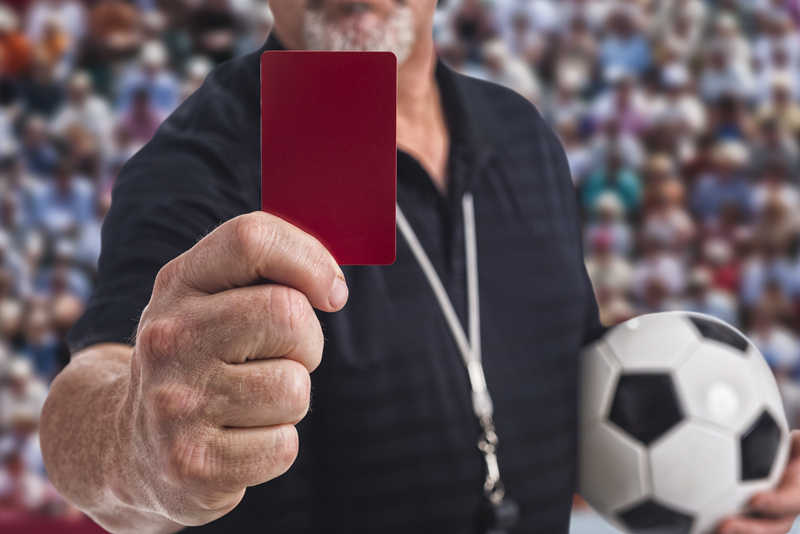
Cartellino rosso per il marchio NEYMAR: il Tribunale UE conferma che la registrazione fu richiesta in malafede.
Nel dicembre del 2012 Carlos Moreira depositò una domanda di marchio dell’Unione Europea per il segno denominativo “NEYMAR” per abbigliamento, calzature e cappelleria. L’Ufficio dell’Unione Europea per la proprietà intellettuale (EUIPO) concesse la registrazione nel 2013.
Nel 2016 Neymar Da Silva Santos Junior, calciatore brasiliano noto con il nome di Neymar, chiese all’EUIPO una dichiarazione di nullità del marchio, sostenendo che il signor Moreira avesse agito in malafede nel momento in cui aveva depositato la domanda di registrazione del marchio contestato, e che ciò fosse contrario alla norma di cui alla lettera b, paragrafo 1 dell’Articolo 52 del Regolamento UE 207/2009, secondo la quale un marchio dell’UE deve essere dichiarato nullo, su domanda presentata all’Ufficio o su domanda riconvenzionale in un’azione per contraffazione, se al momento del deposito della domanda il richiedente ha agito in malafede.
La Divisione di annullamento dell’EUIPO aveva dichiarato nulla la registrazione del marchio, e la Commissione dei ricorsi (la Commissione) dello stesso ufficio aveva confermato la decisione.
Il signor Moreira aveva presentato ricorso dinanzi al Tribunale dell’Unione Europea (il Tribunale UE) contro il verdetto della Commissione.
Gli argomenti del ricorso
Il sig. Moreira sosteneva essenzialmente che la Commissione avesse erroneamente ritenuto che nel dicembre 2012 il richiedente avesse depositato il marchio in malafede. Il ricorso era fondato essenzialmente su due argomenti: 1) il calciatore noto col nome di Neymar non era ancora noto in Europa all’epoca del deposito, nel 2012; 2) non vi era stata alcuna intenzione da parte del richiedente di trarre vantaggio illegalmente dalla rinomanza di Neymar il calciatore, e la Commissione si era limitata a formulare delle supposizioni al riguardo.
La sentenza del Tribunale UE
La sentenza del Tribunale UE nel procedimento T-795/17, datata 14 maggio 2019, ha confermato la decisione della Commissione.
La sentenza fa riferimento alla giurisprudenza della Corte di Giustizia dell’Unione Europea (la CGUE), secondo la quale per accertare la malafede ai fini della lettera b, paragrafo 1 dell’Articolo 52, occorre tenere in considerazione tutti i fattori rilevanti per ciascun caso, compresa l’intenzione del richiedente al momento del deposito della domanda di registrazione di marchio.
Secondo la giurisprudenza della CGUE, l’intenzione del richiedente al momento del deposito è un fattore soggettivo da determinare tramite l’analisi delle circostanze oggettive del caso in questione. Dunque il concetto di malafede è riferito a una motivazione soggettiva da parte del richiedente, per la precisione un’intenzione disonesta. Essa prevede una condotta che si discosta dai principi generalmente accettati di comportamento etico o di pratiche oneste nel commercio o negli affari.
Il Tribunale UE ha ritenuto che la Commissione si fosse basata su fattori oggettivi, in particolare su un dossier di articoli a stampa e online forniti dai legali del calciatore, per stabilire che il signor Da Silva Santos Junior, al momento del deposito del marchio contestato, era già conosciuto internazionalmente come giocatore di grande talento con il nome di “Neymar”, ovvero esattamente il vocabolo per il quale il sig. Moreira aveva richiesto la registrazione come marchio.
La Commissione aveva anche dedotto da un altro elemento oggettivo – il fatto che il richiedente avesse presentato domanda, lo stesso giorno, per registrare anche il marchio denominativo IKER CASILLAS, nome di un altro noto calciatore – che il sig. Moreira aveva una conoscenza non trascurabile del mondo del calcio.
Inoltre, il Tribunale UE ha ritenuto che la Commissione avesse accertato la malafede nella registrazione del marchio valutando gli elementi rilevanti nel contesto specifico del caso, ed era quindi legittimata a dedurre dalle circostanze che il vero scopo della logica commerciale sottesa alla domanda di registrazione di marchio per il segno NEYMAR fosse l’aggancio alla reputazione del calciatore per trarne vantaggio.
Vuoi registrare un marchio e non sai come fare? Contattaci senza impegno
Contenuti correlati
Flash news – Registrazione del marchio abbandonato: se non è più noto al pubblico non c’è mala fede
Flash news – Contraffazione dei marchi delle squadre di calcio: applicabili le norme penali
Flash news – Diritto d’autore: risarcimento per l’uso non autorizzato del ritratto della Hepburn
 Scarica PDF
